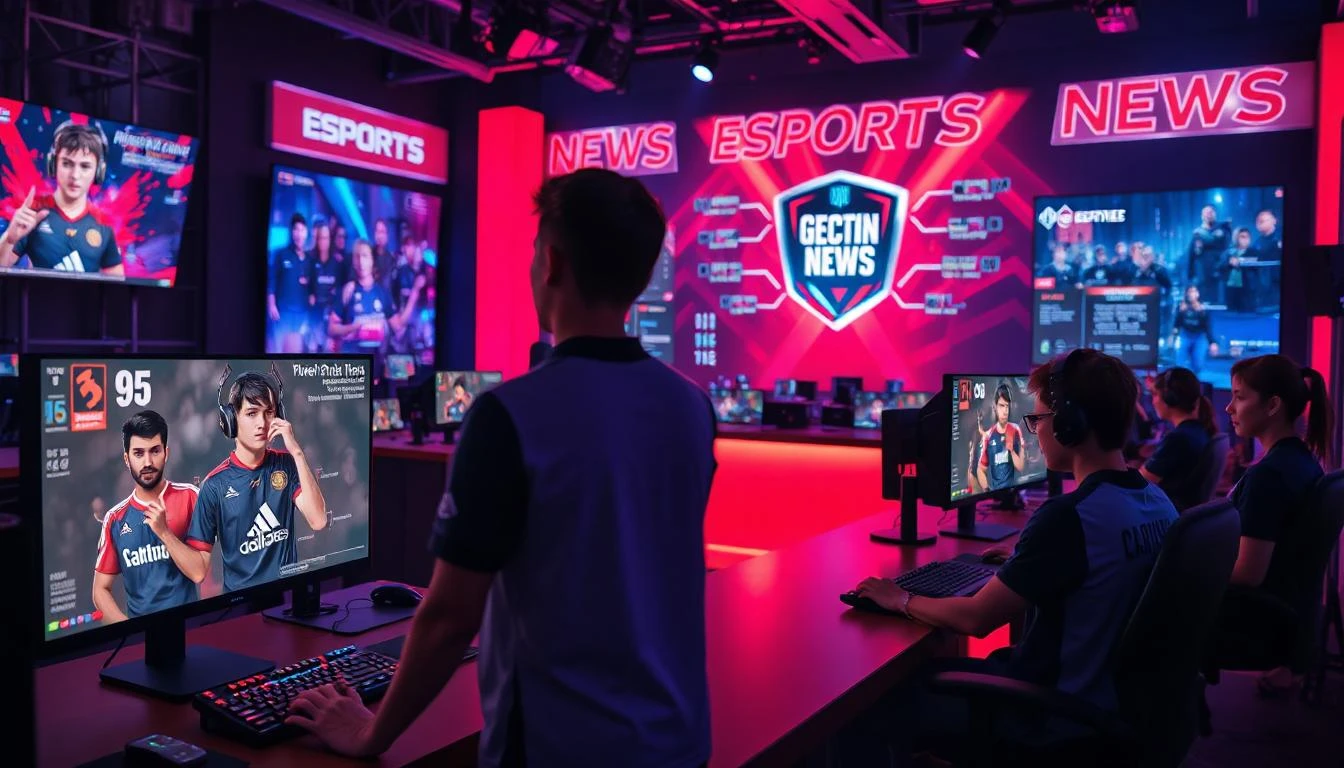
Pro Gaming Strategies For Winning Matches
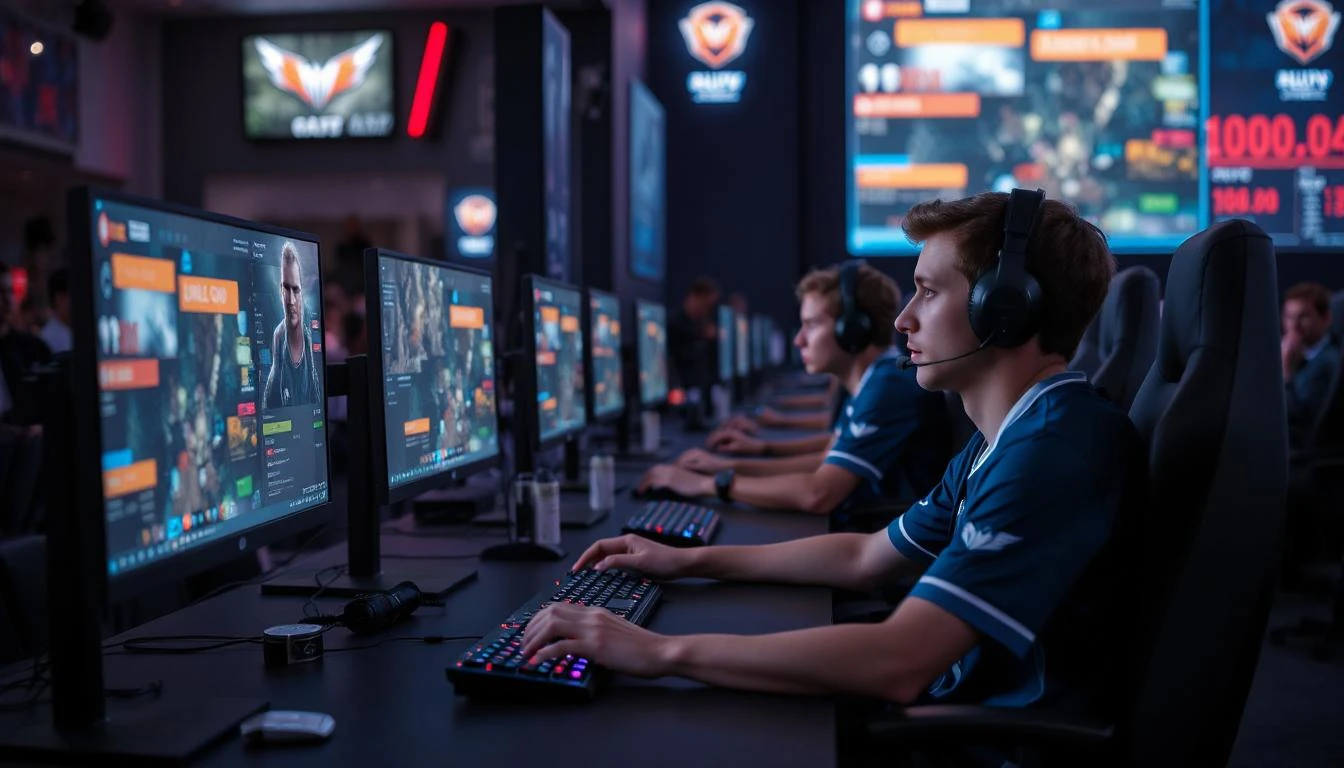
Competitive gaming has evolved into a high-pressure ecosystem where every second, every movement, and every decision carries weight. Players today are not just playing for fun, they are entering structured digital arenas where preparation defines survival. Understanding the rhythm of modern esports means recognizing that instinct alone is no longer enough to secure consistent victories.
The real transformation begins when players start studying structure, timing, and behavioral patterns inside matches. This is where pro gaming strategies winning matches become the foundation of competitive growth. These strategies are not just techniques, they are systems that shape how players think, react, and dominate under pressure.
Understanding Competitive Gaming Basics
Before diving into advanced tactics, every player must understand how competitive ecosystems function at their core. This section builds the mindset required to apply pro gaming strategies winning matches effectively in real gameplay situations.
Competitive games are built on layered systems where mechanics, timing, and awareness interact constantly. Players who ignore fundamentals often struggle later, even if they possess natural talent. To grow consistently, you need to understand how every small decision compounds into match outcomes.
Importance of game mechanics mastery
Game mechanics are the silent engine behind every successful play. Precision movement, aiming control, and ability timing define whether an action succeeds or fails. Players who consistently train mechanics develop what experts call execution stability, allowing them to perform under pressure without hesitation.
According to esports analyst Jonathan Reyes, “Mechanical consistency is the first filter between casual players and competitive contenders.” This highlights how foundational skills shape every higher-level strategy.
Role of strategy in winning matches
Strategy transforms raw skill into structured victory paths. Without it, even strong players become predictable. Here, competitive gaming tips play a major role in helping players understand rotations, map control, and timing advantages.
Strategy also involves adapting to the evolving game meta. When players understand current dominant tactics, they gain an immediate edge in decision-making and positioning.
Mental focus and decision making in gameplay
Mental stability is often the deciding factor in close matches. Stress, panic, and overthinking can disrupt even the best mechanical players. High-level competitors train decision-making under pressure using simulation drills and replay analysis.
As esports coach Daniel Hartman explains, “A calm mind sees three moves ahead while a stressed mind only reacts to the present moment.” This distinction separates consistent winners from inconsistent performers.
Effective Winning Strategies In Games
Winning consistently requires structured execution beyond basic mechanics. This section explores how pro gaming strategies winning matches translate into real-time battlefield control and decision-making.
Every match is a dynamic system where information constantly shifts. Players who can interpret that information faster gain control over outcomes before fights even begin.
Map awareness and positioning tactics
Map awareness is the ability to understand where enemies are, where they might go, and how objectives influence movement. Players who master positioning rarely find themselves in disadvantageous fights.
Strong positioning creates invisible pressure on opponents, forcing them into predictable paths. This allows smarter engagements and reduces unnecessary risks during critical moments.
Team coordination and communication
Team synergy is built through clear communication and role understanding. Without coordination, even skilled players fail to convert advantages into wins.
Voice communication, ping systems, and structured shot-calling are essential tools. Teams that communicate efficiently reduce hesitation and increase execution speed during fights.
Resource and cooldown management
Every ability, item, or ultimate has a timing window that can determine fight outcomes. Managing these resources is a key pillar of pro gaming strategies winning matches.
Players who track cooldowns effectively can force favorable engagements. Missing these timings often results in lost opportunities even when teams are ahead.
Improving Competitive Performance
Improvement in gaming requires deliberate repetition and analytical thinking. Players who consistently refine their habits evolve faster than those who rely only on match experience.
Growth is not accidental, it is engineered through practice structure, observation, and adaptation across multiple scenarios.
Practice routines for skill development
Effective training routines include aim drills, movement exercises, and scenario-based simulations. These structured sessions help build muscle memory and consistency.
A strong routine ensures that improvement is measurable rather than random. Over time, players develop smoother execution and faster reaction cycles.
Analyzing opponent behavior
Understanding opponents creates predictive advantages. Players who study patterns such as movement habits, aggression timing, and positioning tendencies gain control over engagements before they begin. This analytical layer turns gameplay into a strategic puzzle rather than a reactive experience.
Adapting strategies during matches
Adaptability is one of the strongest traits in competitive environments. Matches are unpredictable, and static strategies often fail under pressure.
Being able to shift tactics mid-game ensures survival and increases win probability, especially when facing unfamiliar playstyles.
Level Up Your Skills With Pro Gaming Strategies Today
At the highest level, victory is no longer about who reacts faster, but who thinks deeper. The combination of awareness, adaptability, and structured execution defines long-term success in competitive gaming. When players fully embrace pro gaming strategies winning matches, they stop playing reactively and start controlling the flow of every match.
A strong reminder comes from esports veteran Marcus Lee: “You don’t climb ranks by playing more, you climb by playing smarter.” This reinforces the importance of structured improvement over endless grinding. If you truly want progression, start treating every match as a learning system, not just a competition. That shift alone can redefine your entire gaming journey.